
Why the panels shut off when the grid does
The most common surprise for new solar owners is the first outage. The sun is out, the panels are on the roof, and the house is dark. Nothing is broken. That is what a grid-connected system is supposed to do.
Idaho Power's customer generation FAQ explains it: the vast majority of inverters are grid-connected and work only when the grid is functioning normally. When the grid has an outage, the inverter senses it and stops interacting with the grid. That keeps line crews safe while they work on lines they believe are dead, and it keeps the grid stable. Our Idaho Power interconnection guide covers the approval that makes a system grid-connected in the first place.
What a battery adds, and what it has to be built to do
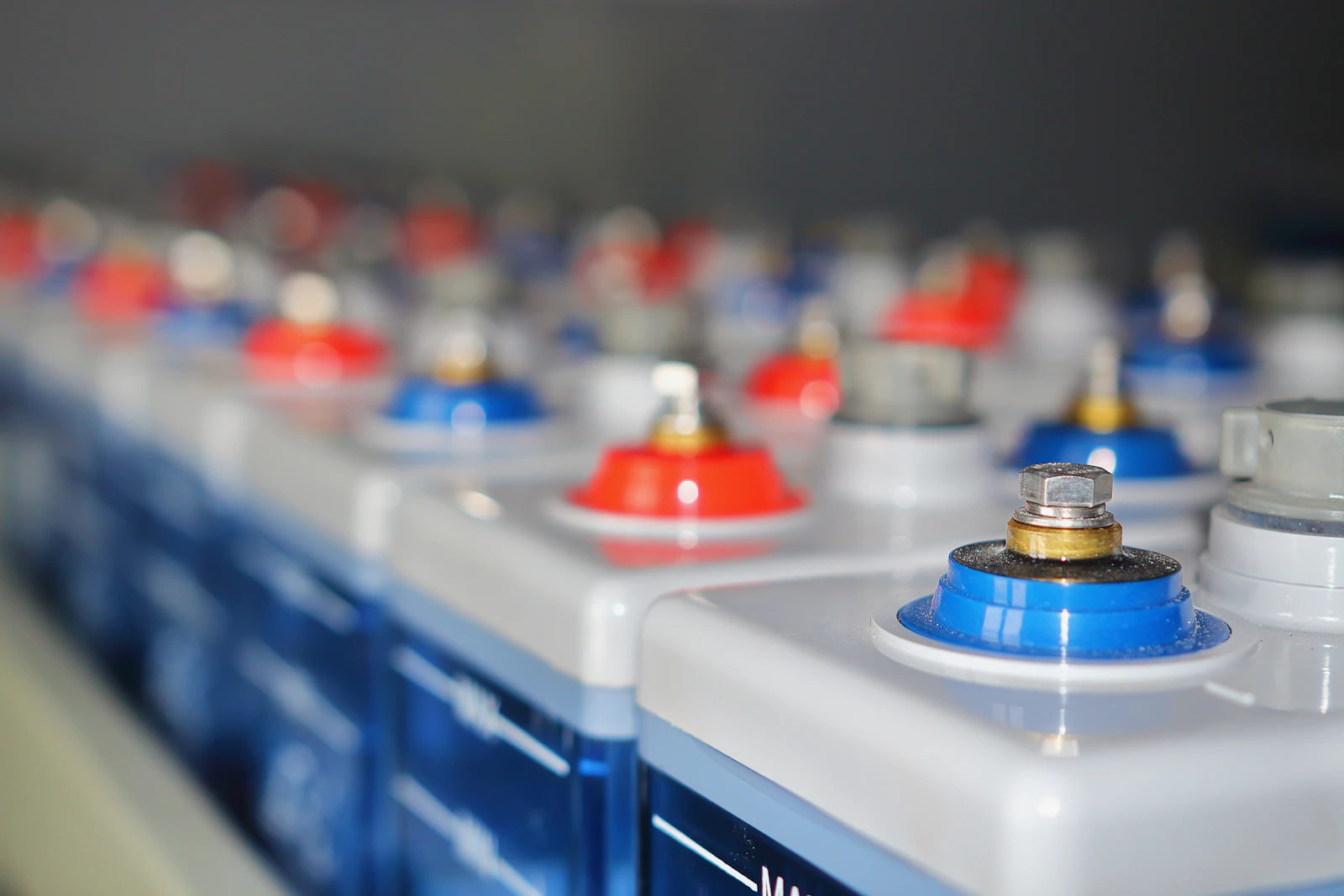
A battery gives the house its own stored energy to use while the grid is down. Idaho Power says the small number of customers who connect to the grid with a battery backup system can use the energy stored in the batteries while the power is out.
The words that matter there are backup system. A battery can be installed to store solar for use later in the day without being set up to carry the house through an outage. For backup, the system has to separate the house from Idaho Power's lines when the grid fails and then run the backed-up circuits from the battery. Ask whoever designs your system to show you on the plan how that happens, and which circuits are on the backed-up side.
Idaho Power describes two ways a battery connects. In a DC-coupled system the battery shares an inverter with the solar. In an AC-coupled system the battery has its own standalone inverter. Either way can work for backup. Which one fits depends on what you already have on the roof and in the garage.
Whole house or the circuits you choose
Most backup designs do not carry everything. They carry the circuits you decide matter: the furnace blower and controls, the refrigerator and freezer, the well pump, a few lights and outlets, the internet. Those circuits are grouped so the battery feeds them and nothing else.
Two numbers decide what is realistic. The Department of Energy describes them as energy capacity, the total energy the battery can store, usually in kilowatt-hours, and power capacity, how much it can deliver at one time, usually in kilowatts. Energy capacity decides how long the backed-up circuits can run. Power capacity decides how much can run at the same moment.
In a valley house the big loads are where this gets decided. An electric range, an electric water heater, a hot tub, baseboard heat and an EV charger can each be a large share of what a battery can deliver at once. Leave them off the backed-up side unless the battery was sized for them on purpose. A gas furnace still needs electricity for its blower and controls, so it belongs on the list even though it burns gas.
Can the panels recharge the battery during the outage?
In a backup system designed for it, yes, while the sun is on the panels. That is the part people count on, and in a Wood River Valley winter it is the part to be careful with.
A winter outage often comes with a storm. Days are short in December, the sky is often overcast during a storm, and panels covered in snow make little or nothing until the snow slides or melts. On a steep roof in Ketchum that can be hours. On a low-pitch roof in Bellevue it can be days. A battery that recharges every afternoon in July may run down over a stormy stretch in January and stay down.
So plan the battery around stored energy, and treat recharging as a bonus. If you need a house carried through several days of winter outage, our standby generator guide covers the other way to do it, and some owners use both.
Do you need permission to add a battery?
A battery is permitted electrical work. Our guide to which jobs need a permit covers how that works with the state.
On the Idaho Power side, its FAQ says customer generation and energy storage systems have to meet its Schedule 68 interconnection rules. A battery added to a solar system you already have is a change to that system, so check with Idaho Power whether your interconnection needs updating before the battery goes in. A battery installed without solar is treated differently: Idaho Power says energy storage not paired with a generation facility on its customer generation schedules may not export energy onto its system and has to take service under the non-export provisions of Schedule 68.
We do not quote Idaho Power rates, credits or program amounts, and the cost of a battery depends on the system. Read Idaho Power's current customer generation information and ask them how it applies to your account.
Who this makes sense for
A battery fits best when the need is specific: keeping the furnace, the well and the freezer running through the outages the valley gets most winters, without a generator to fuel and maintain. It is quiet, it starts on its own, and with solar it can recover on a clear day.
It is a harder fit for a house that has to be carried at full load for days, or a second home where nobody will be there to shed loads or check on it. That is the case to set up remote monitoring for, and to think about alongside our guide to what to do when the power goes out. Start from the list of what has to keep running, and size the system to that.
Frequently asked questions
Do solar panels work during a power outage?
Not by themselves. Idaho Power says grid-connected inverters sense the outage and stop interacting with the grid, which keeps line crews safe. Having power when the grid is down requires a battery backup system.
Will a solar battery run my whole house in an outage?
Usually not. Most backup systems carry the circuits you choose, such as the furnace blower, refrigerator, well pump and some lights. How long they run depends on the battery's stored energy, and how much can run at once depends on its power rating.
Can solar recharge my battery during an outage?
In a system designed for backup, yes, while the panels are getting sun. In a winter storm, with short days, cloud and snow on the panels, recharging may be slow or stop, so plan around the energy already stored.
Does every solar battery provide backup power?
No. A battery can be installed only to store solar for later use. For backup it has to be designed to separate the house from the grid during an outage and feed the backed-up circuits. Ask to see that on the plan.
Do I need to tell Idaho Power if I add a battery?
Check with Idaho Power before the battery goes in. Its FAQ says customer generation and storage systems must meet its Schedule 68 interconnection rules, and adding a battery changes an existing system.
Is a battery better than a generator for winter outages?
It depends on what has to run and for how long. A battery is quiet and needs no fuel but holds a limited amount of energy. A standby generator can run as long as it has fuel. Some owners use both.